

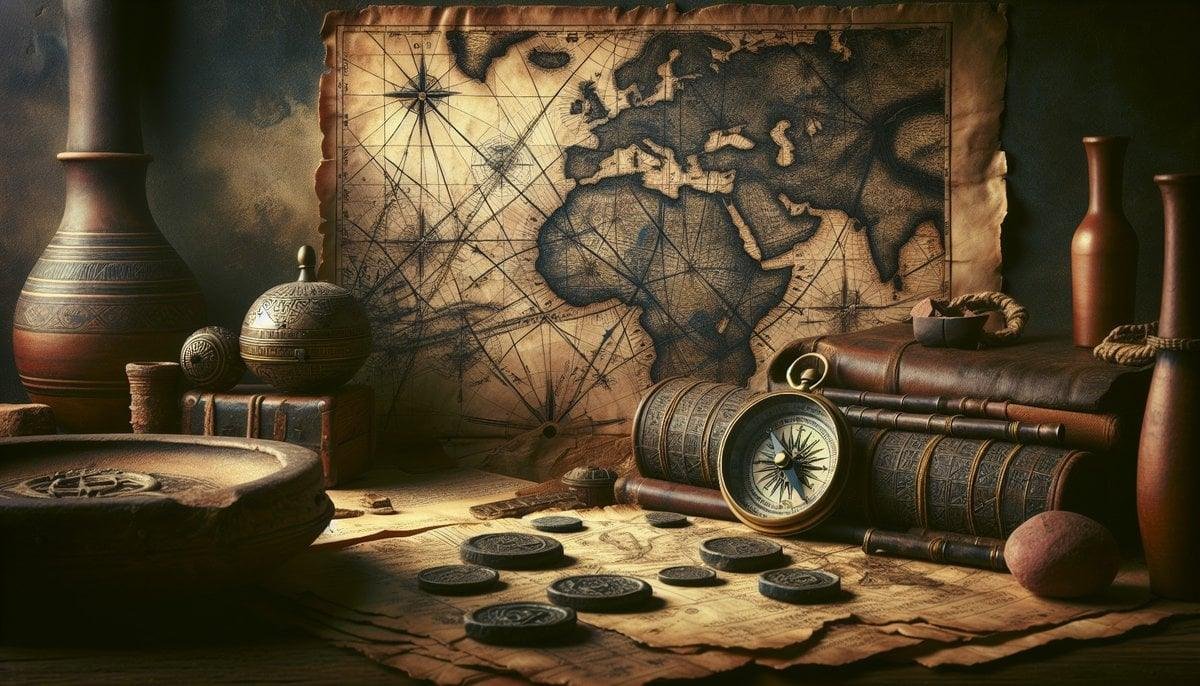
The international master's program, specializing in prehistoric archaeology, provides students with the opportunity to take part in ongoing research into the impressive prehistoric archaeology of the southern Levant, with a special emphasis on Mount Carmel. The program allows students to complete their studies within one year. Students are encouraged to write a thesis in the second year.

Master's degree program focusing on heritage management offers a unique opportunity to bridge the gap between the past and the future by preserving and managing local and global archaeological, historical and cultural legacies. Practical training and real-world experience are a cornerstone of the program, with collaborations involving local and global heritage institutions providing real-world experience, such as UNESCO, ICOMOS, Israel’s Antiquity Authority and National Nature & Parks Authority, and more. Students gain unparalleled access to Israel’s diverse historical and archaeological sites that serve as living laboratories for their studies.
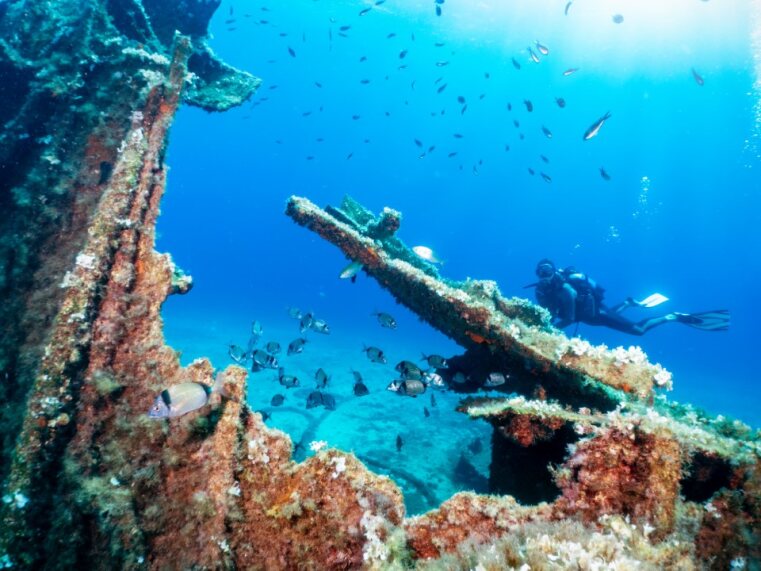
International’s Master of Arts program in Maritime Civilizations (Underwater & Coastal Archaeology), offers an exceptional opportunity to literally dive deep and discover. Leveraging the Mediterranean Sea as a natural lab, the program explores the history, archaeology, anthropology, and fabric of seafaring societies underwater, on shore, and in cutting-edge laboratories, shedding light on human-sea relations in both ancient and modern times.
The program is part of the University of Haifa’s globally renowned School of Archaeology and Maritime Cultures (SAMC). The first of its kind to integrate the full scope of research domains on land, at sea, and in the lab under one roof, SAMC offers a prestigious international professional network and a fascinating learning environment.
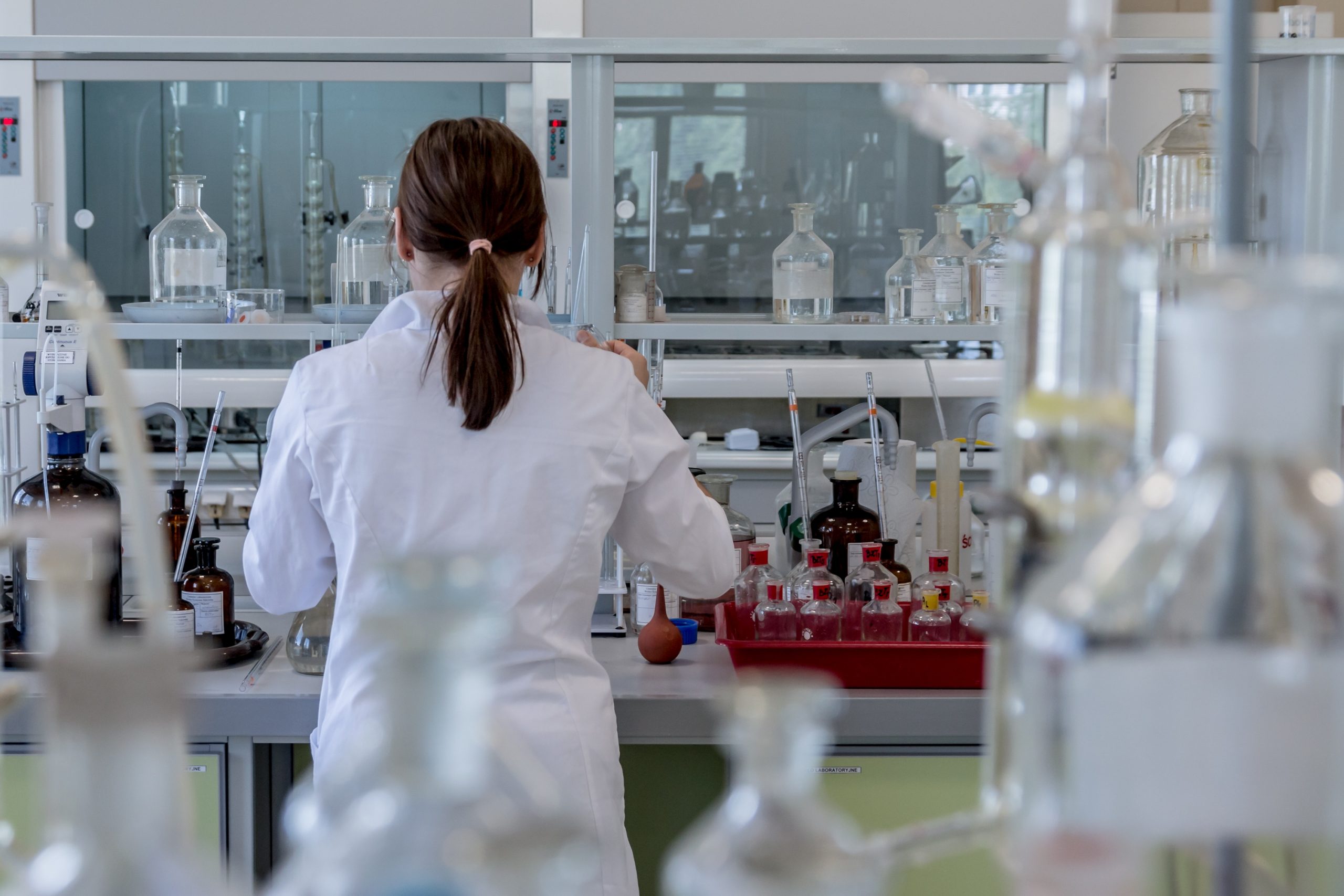
Archaeological Sciences offers a unique opportunity to combine the rich archaeological record of Israel with the added values obtained through modern science and technology. The first and one of its kind in Israel, this program sets itself apart with a cutting-edge science-focused multidisciplinary approach to archaeological research. Combining state-of-the-art technology with the extensive archaeological record of the Southern Levant, students gain a comprehensive toolkit for versatile career paths.

The Department of Archaeology operates as an integral component of the School of Archaeology and Maritime Civilizations at the University of Haifa—the heart of archaeological research in Israel. The department’s facilities include advanced seminar rooms, digital research laboratories, and a specialized study collection of the Israel Antiquities Authority (IAA). Complementing its rigorous academic curriculum, the department engages in extensive practical and outreach activities, including archaeological field surveys, excavations, educational workshops, and international academic conferences.

The Department of Maritime Civilizations is the only department of its kind in Israel. Founded 50 years ago, it conducts underwater exploration along the Israeli coast, which has one of the densest concentrations of shipwrecks in the Mediterranean.
The Department explores the interrelations between humans and the Mediterranean Sea through the interlocking disciplines of underwater and coastal archaeology, geology and geoarchaeology, history and ecology. The research focuses on 11,000 years of human maritime adaptation in Israel, addressing questions of trade, migration, ship and harbor technology, historic sea level changes and coastal environments. Its interdisciplinary studies build on the unparalleled wealth of coastal and underwater sites in Israel, from sunken Neolithic villages to Bronze and Iron Age anchorages and ship cargoes, Roman and Byzantine ports and shipwrecks, and medieval maritime activity.
PRESERVING HUMAN PAST FOR FUTURE GENERATIONS
The Department of Cultural Heritage (opening October 2022) focuses on utilizing the best practices in conservation science and methods for the protection of cultural heritage. Our graduates play a vital role in protecting and preserving the art, objects and historic sites that tell the story of our lives, history, and society. This is the only department of its kind in Israel.
The Department addresses challenges such as climate change and development pressures, protection of cultural heritage on land and underwater, recording methods, the future of museums and novel ways of interacting with local and global policy makers and shareholders. Students receive classroom instruction as well as hands-on training in the field and in the lab.
Classes are taught in both Hebrew and English.
The Department of Archaeological Sciences engages in archaeological teaching and research using the methods of the exact and natural sciences. Areas such as the environment in the past, advanced dating methods, past technologies, ancient DNA, and the study of molecular remains open a window to a broad and complex understanding of human cultures, including issues of climate, migration, and trade in ancient times. Researchers in the existing departments are already engaged in the fields of archaeozoology, geoarchaeology, and archaeometallurgy (the study of metals). They will soon be joined by researchers in the fields of archaeobotany/environment, biogeochemistry (the study of stable isotopes as a lever for studying economic and social relationships as well as the diet and mobility of humans and animals in space), materials, and the study of molecular remains that sheds light on ancient trade routes. The department plans to award a Master of Science (MSc) degree. Studies are conducted in English only.

